

1. What Are Supergreen Supplements?
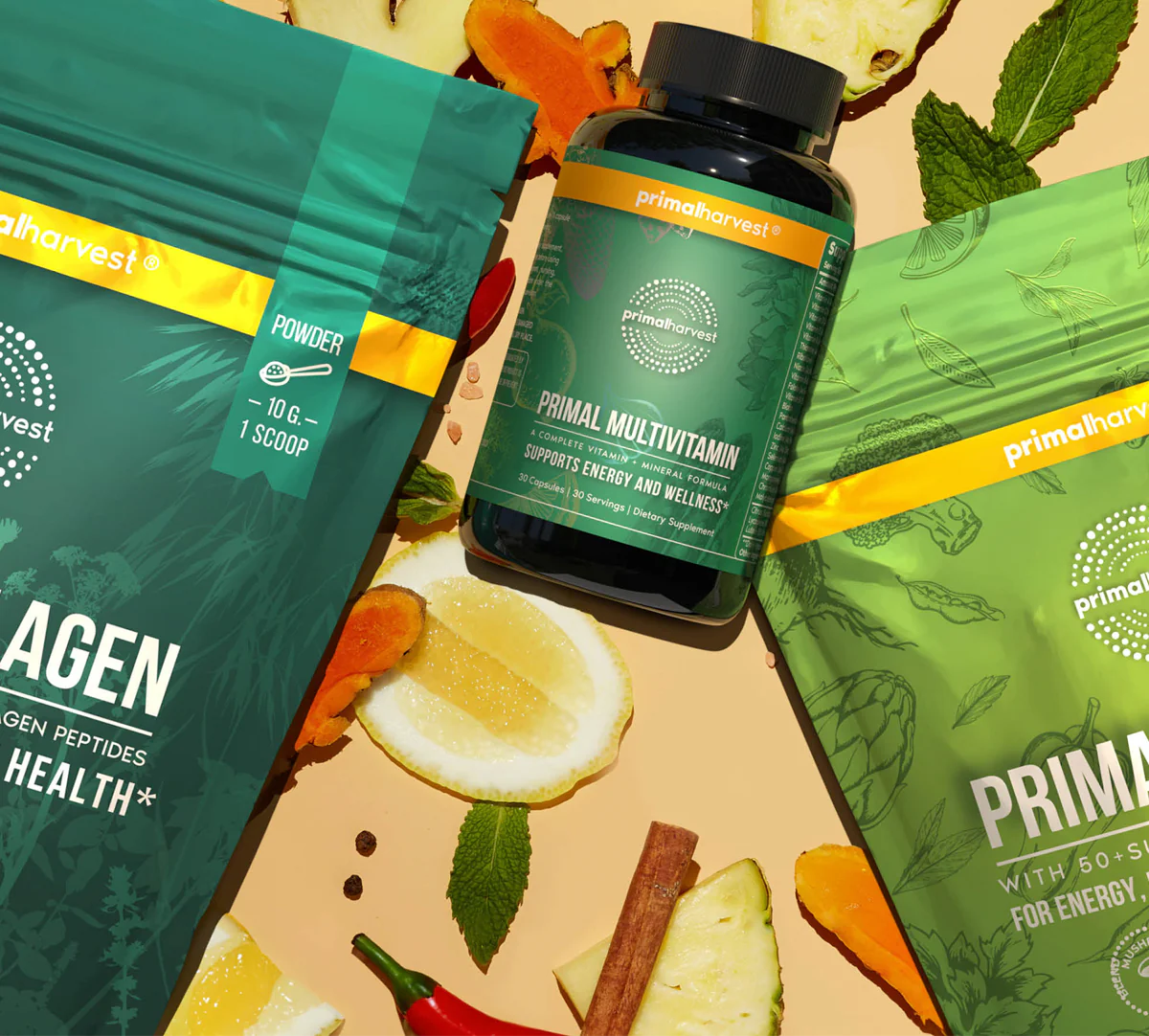
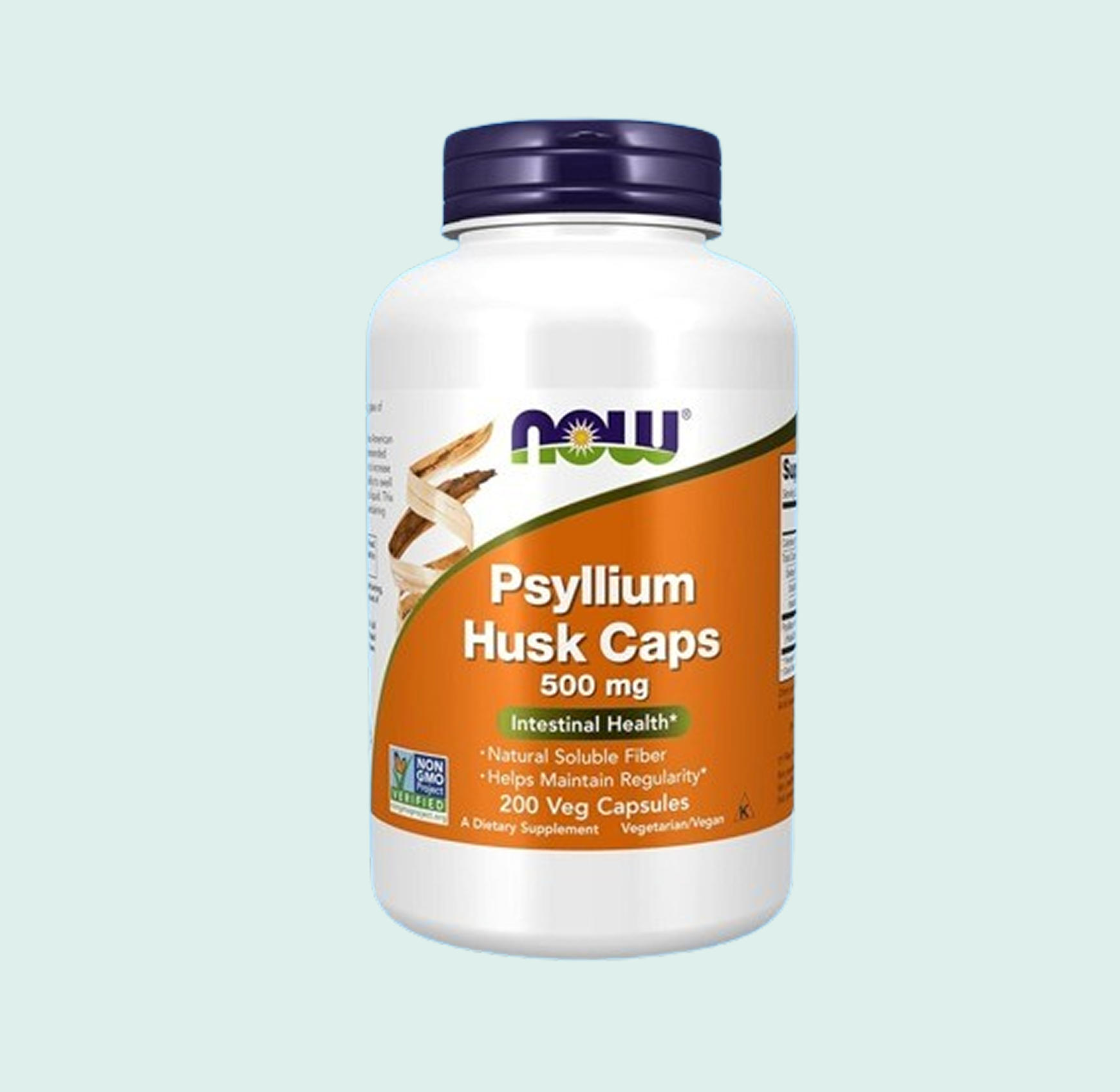
Dietary supplements are products designed to supplement the diet. They can contain vitamins, minerals, herbs, amino acids, enzymes, or other ingredients. Common forms include pills, capsules, powders, and liquids. Unlike prescription drugs, supplements are not intended to treat or cure diseases but to support general health and wellness
2. Benefits of Dietary Supplements
Supplements can provide essential nutrients that may be missing from your diet. For example:
● Vitamin D: Supports bone health.
● Iron: Helps prevent anemia.
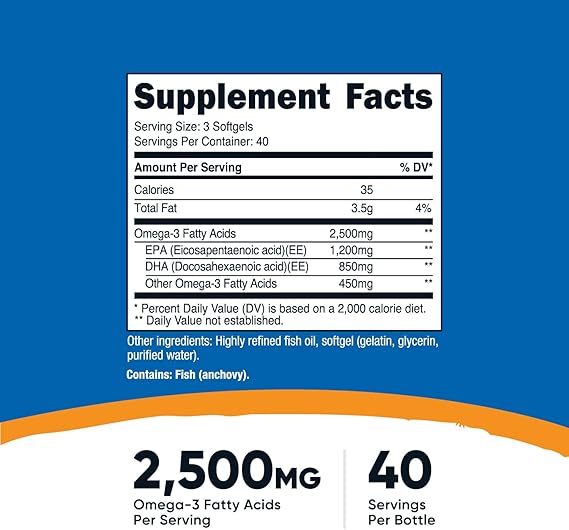
● Omega-3 Fatty Acids: Promote heart health.
● Probiotics: Aid digestion and gut health.
While supplements can be beneficial, they should complement—not replace—a balanced diet rich in whole foods like fruits, vegetables, lean proteins, and whole grains
3. Risks and Considerations
Despite their accessibility, dietary supplements come with potential risks:
1. Lack of FDA Approval: Supplements are not FDA-approved before reaching the market. Manufacturers are responsible for ensuring product safety
2. Adverse Effects: Some supplements may interact with medications or cause harmful physiological changes. For example:
● Excessive Vitamin A can lead to toxicity.
● Certain herbal supplements may increase bleeding risk when combined with blood thinners
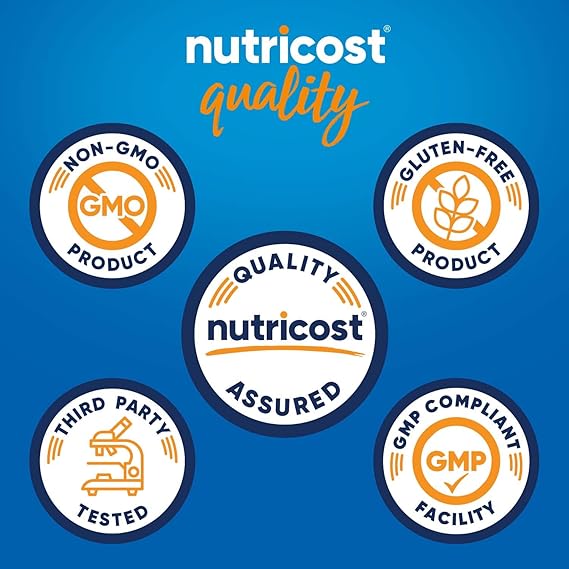
3. Contamination: Studies have identified cases of tainted products marketed as dietary supplements. Always look for third-party testing certifications to ensure quality.
4. Regulation of Supplements
The FDA regulates dietary supplements under different guidelines than conventional foods or drugs. Key points include:
● Manufacturers must ensure safety but are not required to prove efficacy before marketing.
● Labels may include health-related claims but cannot state that the product treats or cures diseases
To ensure safety, consumers should choose reputable brands with transparent ingredient lists and certifications from organizations like NSF International or USP
5. Best Practices for Safe Supplement Use
To maximize benefits and minimize risks:
1. Consult Healthcare Providers: Before starting any supplement, discuss its potential benefits and risks with your doctor or pharmacist
2. Evaluate Your Diet First: Supplements should fill gaps in nutrition rather than replace a healthy diet
3. Check Labels: Look for third-party testing seals and avoid products with unverified claims
4. Avoid Overuse: Taking excessive doses can lead to toxicity or adverse effects. Stick to recommended daily values
6. Educational Resources
For further learning:
● The FDA’s “Supplement Your Knowledge” initiative offers fact sheets and videos on supplement safety and regulation
● High school programs have shown success in educating young athletes on safe supplement use and the importance of third-party testing
Conclusion
Dietary supplements can play a valuable role in supporting health when used responsibly. However, they are not a substitute for a well-rounded diet or professional medical advice. By understanding their benefits, risks, and regulatory framework—and consulting trusted resources—you can make informed choices about incorporating supplements into your lifestyle safely and effectively.